
Replay Real Chatbot Conversations and Catch What Breaks using Cekura
Explore how Cekura helps teams see exactly where your chatbot goes wrong by replaying full conversations. Automatically catch errors, instruction drift, and workflow failures before users do.
When a chatbot fails, the root cause is almost never obvious. The reply sounds fine. The flow looks right. But somewhere across turns, context slipped, a rule was missed, or a tool response went sideways.
Cekura lets teams replay real chatbot conversations end to end so you can see exactly where things went wrong and why. This is not just playback but structured, measurable, and built to surface issues humans miss.
See conversations the way users experienced them
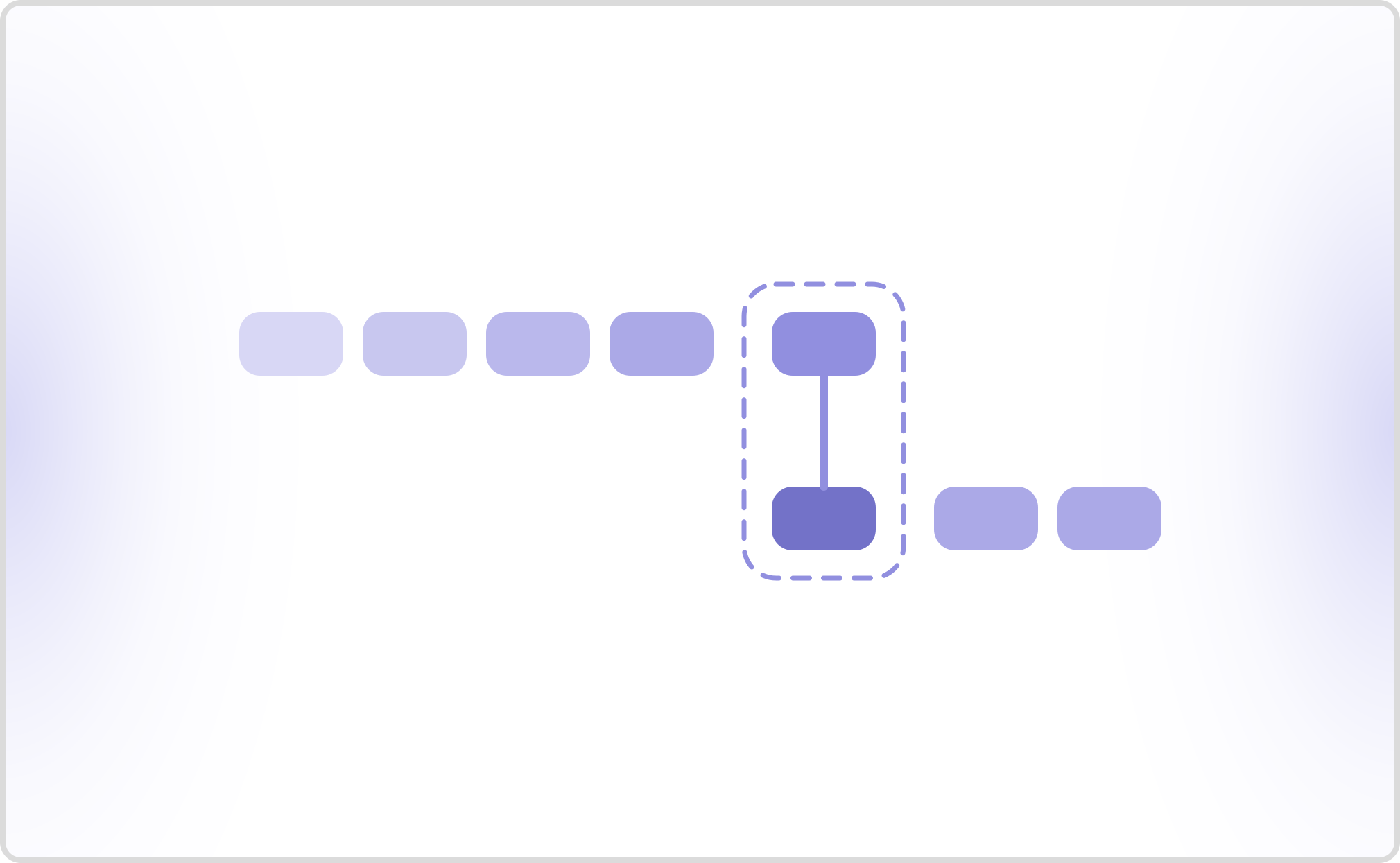
Replays show the full multi-turn exchange exactly as it unfolded. Every user message, every agent response, every pause, interruption, and tool call is preserved in sequence.
You can step through long conversations without losing context, making it easy to understand how earlier turns shaped later behavior. This is critical for diagnosing failures that only appear after several turns, not in the first response.
Automatically detect errors across the entire conversation
Each replay is evaluated against a rich set of quality, accuracy, and behavior checks. Cekura flags issues such as:
- Instruction drift where the agent slowly stops following its rules
- Missed steps in workflows or expected outcomes
- Hallucinated or unsupported responses
- Inconsistent answers to the same question across turns
- Tool calls that failed, returned partial data, or were never triggered
- Latency spikes, interruptions, or unnatural conversational flow
Every issue is tied to a timestamp so you can jump directly to the moment it happened.
Compare versions side by side with confidence
Replays make it easy to understand what changed when you update a prompt, model, or backend. Run the same conversation set against multiple versions and compare them directly.
You can see which version follows instructions better, where latency improved or degraded, and whether accuracy actually went up. This turns subjective review into clear evidence.
Build a living regression baseline
Teams use replays to lock in a known good baseline of conversations. Any future change is replayed against that baseline automatically.
If performance drops, Cekura surfaces it immediately. If behavior improves, you can see exactly where. This makes regression testing practical for chatbots that evolve weekly or even daily.
Validate memory, context, and long-form behavior
Many chatbot failures only show up deep into a conversation: forgetting a name, reusing the wrong detail, contradicting an earlier answer. Replays are designed to catch these issues by evaluating consistency, context retention, and factual grounding across long interactions.
You can finally test how your chatbot behaves after ten or twenty turns, not just the first two.
Segment and filter to find real patterns
Replays can be filtered by user type, scenario, prompt cluster, channel, or metadata you define. This helps teams answer the questions that matter without hunting through logs.
- Does the agent behave differently with certain personas?
- Are failures concentrated in specific intents?
- Did a recent change only affect one workflow?
Move from guessing to knowing
Without replay, teams rely on spot checks and intuition. With replay, every failure is concrete, inspectable, and explainable. You do not just know that something broke—you know where, how, and under what conditions.
That is what turns chatbot development into real quality engineering. Cekura helps teams replay conversations, detect errors automatically, and ship chatbots that stay reliable as they evolve.
Learn more at Cekura.ai: https://www.cekura.ai